Hymenoplasty, also known as hymen reconstruction or virginity restoration surgery, is a minor and safe surgical procedure aimed at reconstructing the hymen—a delicate membrane that partially covers the vaginal opening. While the hymen can naturally break due to various non-sexual activities such as exercise, horseback riding, cycling, tampon use, or accidental injury, its condition is often culturally or personally associated with virginity in many societies.
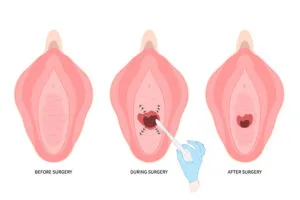
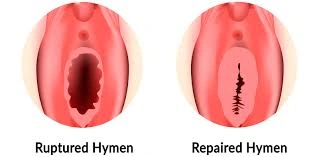
This procedure is designed to recreate the appearance of an unbroken hymen, typically by stitching together the remnants of the original tissue or using a thin membrane graft to simulate the hymen. The reconstructed hymen can appear intact and may even bleed upon subsequent sexual intercourse, closely resembling a natural, untouched hymenal state.
A private consultation is done to understand the patient’s goals, evaluate health status, and explain the procedure and recovery.
The surgery is performed under local or general anesthesia. Basic health checks may be done before the procedure.
The torn hymenal tissue is gently stitched using dissolvable sutures. If needed, a synthetic membrane may be used to recreate the hymen.
Patients can go home the same day. Healing takes around 4–6 weeks, and post-care includes avoiding intercourse, tampons, and heavy activities.
There are three primary types of hymenoplasty procedures, each varying in complexity based on the patient’s needs and the surgeon’s expertise.
The basic stitching technique is the most commonly used method for broken hymen repair. The remaining hymen tissue, which may have been damaged during physical exercise or sexual activity, must be sewn back together. Because the sutures are dissolvable, the hymen can gradually heal and return to its natural shape. For patients who have some hymen remnants intact, this method is perfect.
Hymen reconstruction is a more extensive procedure, and is usually advised for those whose hymen have been completely ruptured or ripped with no visible remnants. The surgeon builds a new hymen during this procedure using vaginal tissue. This requires a highly skilled hymenoplasty surgeon and takes longer than the standard stitching method. In order to facilitate a more natural restoration, hymen reconstruction can appear to be intact.
The plant technique is the most complex hymenoplasty procedure, where a small flap of vaginal lining is used to create a new hymen. The plant technique may involve more healing time compared to the other two methods, but it provides a more durable result. This technique is suitable for those seeking a more permanent restoration of the hymen. Some patients also opt for artificial hymen surgery, in which an artificial membrane is created to mimic a natural hymen.
In many cultures, an intact hymen is considered a symbol of virginity and purity. Women may opt for hymenoplasty before marriage to meet traditional or familial expectations. For these individuals, the procedure helps avoid judgment or social pressure, especially in conservative societies where virginity holds significant value.
Some women seek hymenoplasty as part of their emotional recovery from past trauma, such as sexual abuse or assault. While the procedure cannot erase the past, it can provide a sense of renewal, closure, and emotional comfort. It becomes a symbolic step toward healing and self-reclamation.
For certain individuals, hymenoplasty boosts personal confidence and improves self-image. Whether due to earlier consensual experiences or accidental tearing of the hymen through sports or other activities, some women feel more secure and empowered after undergoing the surgery.
Although rare, some women may consider hymenoplasty after childbirth or physical injury that caused hymenal damage. In such cases, the procedure is performed to restore the body to a previous state, either for personal satisfaction or cultural conformity.
In some instances, women may undergo hymenoplasty as a gift to a partner or to rekindle intimacy in a relationship. While the decision should always be personal and autonomous, it may also reflect a shared desire to reconnect in a meaningful and symbolic way.
For women looking for a symbolic ‘new beginning’—whether starting a new relationship, moving past trauma, or regaining control over their sexual health—hymenoplasty can offer a deeply personal reset. It’s not just about physical change, but emotional transformation and renewed confidence.

Preparing for Surgery – 5 Key Steps:
There are three primary types of hymenoplasty procedures, each varying in complexity based on the patient’s needs and the surgeon’s expertise.